Puregym Redesign
Figma
Case Study
Product Design
Clarus AI 3
An exploration of what it means to work for your energy
Timeline
September 2025 - December 2025
Team
Jiyoon
Tools
Arduino, Fabrication, Autocad, 3D Printing, Figma
Context
Using AI often feels as simple as typing a prompt and clicking a button... or at least that’s what we’ve come to expect.
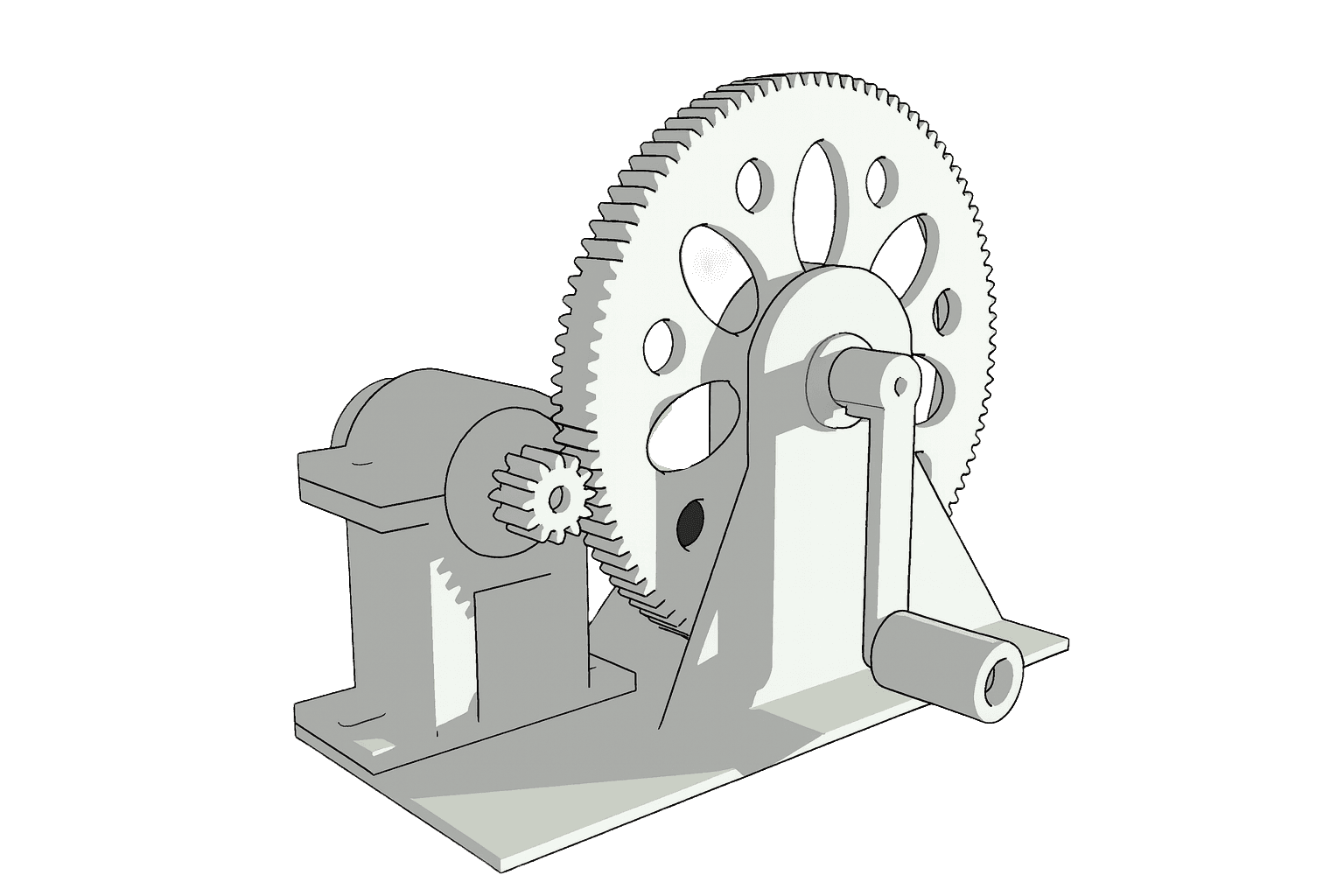
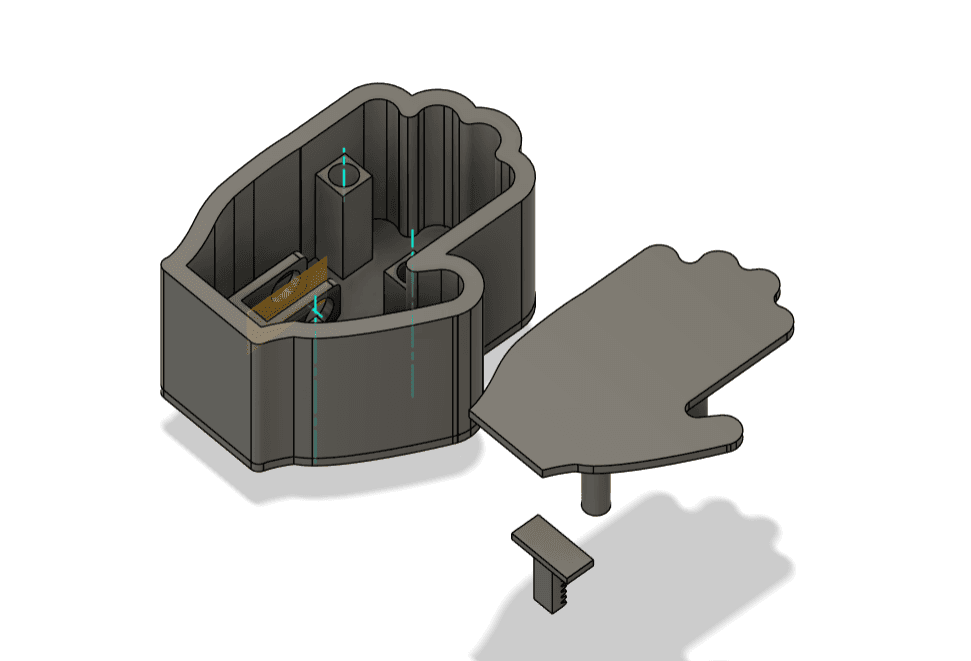
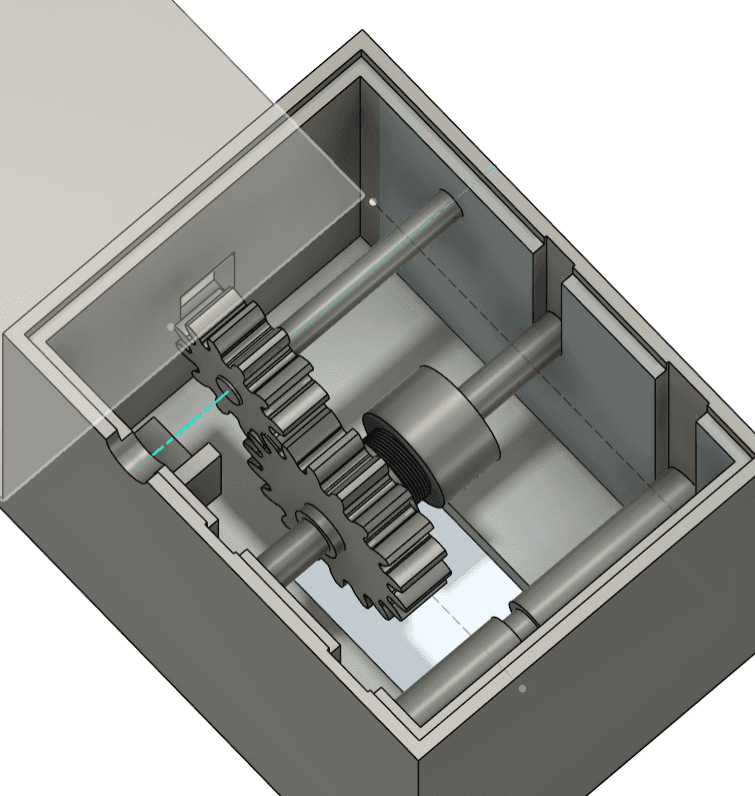
With technology rapidly expanding, the energy required to sustain it grows alongside it. Clarus, the energy generator is an interactive installation that encourages participants to recognize and reflect on the physical effort behind the invisible energy powering our digital world.
Median Energy Consumption per Prompt
0.24 watt-hours
Median Water Consumption per Prompt
0.26 milliliters of water
OpenAI receives
2.5 Billion Prompts
Source: In a first, Google has released data on how much energy an AI prompt uses | MIT Technology Review
ChatGPT Receives 2.5 Billion Prompts Per Day, OpenAI CEO Says | Extremetech
Planning
As a PureGym member, I have personally struggled with the new app design, especially after the transition from Blink to PureGym.
I found navigation between pages unintuitive, and the overall design felt jarring and somewhat alienating.
After observing other members at the gym face similar difficulties with check-in and in-app navigation, I realized these frustrations were shared across the community.
As a product designer, I saw this as an opportunity to explore how the app could be improved. Through this case study, I hope to offer meaningful insights that can help shape the future of the PureGym app and hopefully create a positive impact on a community I’m a part of.
Context
As a PureGym member, I have personally struggled with the new app design, especially after the transition from Blink to PureGym.
I found navigation between pages unintuitive, and the overall design felt jarring and somewhat alienating.
After observing other members at the gym face similar difficulties with check-in and in-app navigation, I realized these frustrations were shared across the community.
As a product designer, I saw this as an opportunity to explore how the app could be improved. Through this case study, I hope to offer meaningful insights that can help shape the future of the PureGym app and hopefully create a positive impact on a community I’m a part of.
Puregym Redesign
Clarus AI 3
An exploration of what it means to work for your energy
Timeline
September 2025 - December 2025
Team
Jiyoon
Tools
Arduino, Fabrication, Autocad, 3D Printing, Figma
Context
Using AI often feels as simple as typing a prompt and clicking a button... or at least that’s what we’ve come to expect.
With technology rapidly expanding, the energy required to sustain it grows alongside it. Clarus, the energy generator is an interactive installation that encourages participants to recognize and reflect on the physical effort behind the invisible energy powering our digital world.
Median Energy Consumption per Prompt
0.24 watt-hours
Median Water Consumption per Prompt
0.26 milliliters of water
OpenAI receives
2.5 Billion Prompts
Source: In a first, Google has released data on how much energy an AI prompt uses | MIT Technology Review
ChatGPT Receives 2.5 Billion Prompts Per Day, OpenAI CEO Says | Extremetech
Planning
As a PureGym member, I have personally struggled with the new app design, especially after the transition from Blink to PureGym.
I found navigation between pages unintuitive, and the overall design felt jarring and somewhat alienating.
After observing other members at the gym face similar difficulties with check-in and in-app navigation, I realized these frustrations were shared across the community.
As a product designer, I saw this as an opportunity to explore how the app could be improved. Through this case study, I hope to offer meaningful insights that can help shape the future of the PureGym app and hopefully create a positive impact on a community I’m a part of.
Context
As a PureGym member, I have personally struggled with the new app design, especially after the transition from Blink to PureGym.
I found navigation between pages unintuitive, and the overall design felt jarring and somewhat alienating.
After observing other members at the gym face similar difficulties with check-in and in-app navigation, I realized these frustrations were shared across the community.
As a product designer, I saw this as an opportunity to explore how the app could be improved. Through this case study, I hope to offer meaningful insights that can help shape the future of the PureGym app and hopefully create a positive impact on a community I’m a part of.